Cuddle in a Cup SVG
A Warm, Cozy First Impression—But Does It Stitch Well?
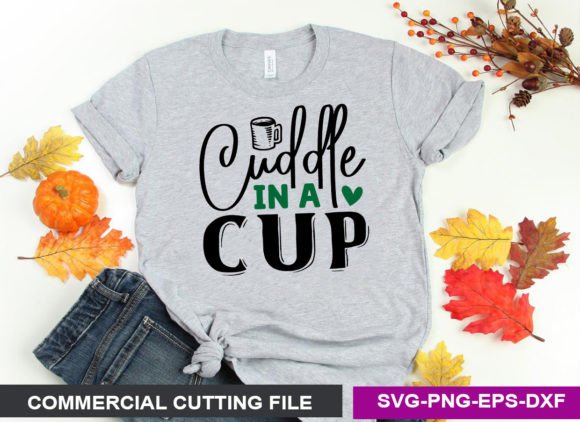
When I opened Cuddle in a Cup SVG for the first time, I felt that quiet, familiar pull—the kind you get when a design feels like it already belongs on something soft and loved. It’s not flashy or bold; it’s gentle, rounded, and intentionally uncluttered. The cup cradles a tiny figure—or perhaps two—snuggled close, with subtle steam curling upward and soft curves suggesting warmth rather than literal detail. As an embroidery designer who’s stitched hundreds of themed files for baby items, boutique apparel, and holiday gifts, I immediately pictured this on a linen tea towel, a cotton baby onesie, or a relaxed-fit sweatshirt. Its charm lies in restraint: no fussy outlines, no over-rendered faces, no dense fill areas that could pucker or bleed on lightweight fabric.
Where This Design Truly Shines in Real Projects
I tested Cuddle in a Cup SVG across several real-use scenarios—and it held up best where softness, simplicity, and emotional resonance matter most. For example, last week I prepped a custom embroidered tote bag for a local café’s staff gift set. We used the design as a small chest-pocket accent on natural canvas—no background fill, just clean satin-stitched outlines and light fill stitch inside the cup shape. Customers noticed it instantly—not because it shouted, but because it felt intentional and tender. That same file translated beautifully onto a bamboo-blend baby blanket, where low stitch density kept the embroidery pliable and safe for delicate skin.
It also works thoughtfully for personalized gifts: pair it with a monogrammed initial in a matching thread tone for nursery decor or wedding keepsakes. As a commercial embroidery asset, it fits seamlessly into seasonal collections—think “cozy fall” or “quiet winter” bundles for Etsy sellers. I’ve seen similar designs perform well on aprons, pillow covers, and even reversible patches (with careful backing). Its scale and flow make it ideal for tote bag design, sweatshirt embroidery, and holiday embroidery where subtlety reads as sophistication—not afterthought.
Where to Proceed With Care
This isn’t a one-size-fits-all machine embroidery design. Its gentle curves and nested shapes demand attention on certain substrates. On stretchy fabric like jersey or ribbed knits, I recommend testing with tear-away + cut-away stabilizer combo—especially around the cup’s curved rim, where satin stitch can distort if tension isn’t balanced. On dark fabric, avoid ultra-light thread unless you’re using high-contrast underlay; the design’s intimacy relies on clarity, not opacity. And while it scales down decently, I wouldn’t push it below 3.5 inches wide for embroidered patch use—tiny steam wisps lose definition, and inner details risk vanishing in dense fill.
For caps or curved surfaces, skip the center-cup placement. The shape flows better along a flat seam or gently sloping surface like a pocket or cuff. Also, avoid pairing it with heavy decorative accents nearby—it’s a quiet design; competing elements dilute its warmth. If you’re building a digital embroidery file bundle for craft business resale, consider including a simplified version with fewer interior lines for beginners or tight hoop constraints.
What It Adds to Your Finished Product—Beyond Aesthetics
Cuddle in a Cup SVG quietly elevates perceived value. When stitched cleanly on a premium tea towel or organic cotton onesie, it signals care—not just craft. Buyers connect emotionally before they read a description. That matters for Etsy sellers and small shop product listings, where handmade presentation builds trust faster than bullet points. I’ve watched customers linger longer on mockups featuring this design versus busier alternatives—it invites pause, not scroll-by. It also supports brand consistency for lifestyle-focused shops: think warm palettes, neutral backdrops, minimalist packaging. No need to over-explain; the design communicates comfort, connection, and calm.
That said, don’t assume automatic recognition. Unlike iconic symbols (hearts, stars), this is a mood-based motif—it gains strength through thoughtful context: paired with hand-lettered tags, natural fiber labels, or cohesive seasonal photography. Use it where your audience values intentionality over instant impact.
Practical Designer Notes Before You Stitch
- Always run a test stitch on scrap fabric matching your final substrate—even if it’s the same base material. Thread tension shifts between batches.
- Check stitch density visually in your editing software. Look for tight clusters near the cup handle or steam base; thin those manually if needed for breathable fabrics.
- Confirm hoop size compatibility early. Some versions may include multiple sizes—verify which aligns with your project’s placement and fabric drape.
- Review small details at 200% zoom: do inner lines hold integrity? Are corners smooth or jagged? Jagged edges often translate to skipped stitches.
- Test contrast using black and white mockups. What reads softly on screen may disappear on dark denim or heather grey.
- Use appropriate stabilizer—lightweight cut-away for knits, tear-away for stable wovens, and fusible for layered garments like reversible aprons.
- Verify licensing scope. Since this is listed as a Graphics file for Crafts, confirm whether commercial resale of finished embroidered items is permitted before listing on Etsy or wholesale platforms.
A Thoughtful Tool for Meaningful Making
Cuddle in a Cup SVG won’t dominate a tradeshow booth or trend-jack social feeds—but that’s not its purpose. It’s the quiet stitch that makes a new parent tear up, the detail that turns a standard sweatshirt into a cherished heirloom, the anchor in a collection of handmade products built on feeling, not flash. Used with attention to fabric, thread, and intent, it delivers more than decoration. It delivers resonance. And in today’s crowded craft landscape, that’s the kind of design that earns repeat customers, heartfelt reviews, and slow, steady growth.